
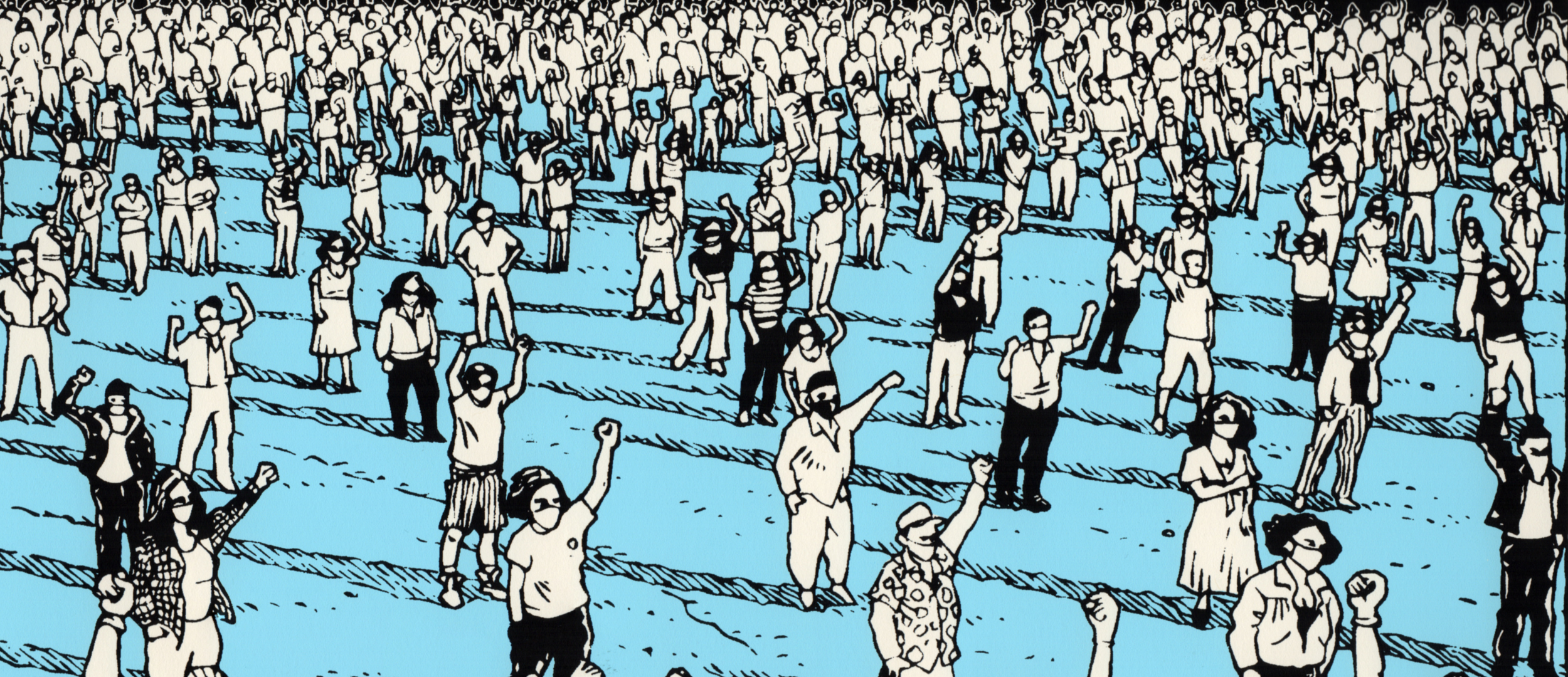
Movement Counselors help people turn systemic anxiety into action for social change.
About Movement Counselors Network
MCN supports people who are struggling with the state of the world.
Sometimes, it can feel like the world is collapsing around us. We see the climate crisis, ongoing genocides, and democratic collapse taking place before our eyes, causing feelings of fear, dread, and hopelessness. These “systemic anxieties” can manifest as despair, anxiousness, doomscrolling on social media, feeling paralyzed, or experiencing traumatic reactions to the social, political, economic, and ecological events taking place every day.
MCN believes in the power of collective action to alleviate systemic anxiety.
Taking meaningful action in community with others is a crucial way to directly address your anxiety about the state of our world. When people take action in community with others, they feel connected instead of isolated, powerful instead of powerless, and active instead of paralyzed. The good news is that millions of people are already organizing to address the problems we face as a society, and you can link up with the many projects, organizations, and activities already underway!
Movement Counselors help people shift from experiencing systemic anxiety to participating in collective action.
Movement Counselors are mental health professionals and experienced activists who deeply understand the local landscape of activist projects and organizations. Movement Counselors provide guidance by helping people identify what is causing them stress, which groups or projects could be a good fit for them to get involved with, and how to work through obstacles to getting involved. The Movement Counselor’s role is to be by your side as you get engaged in the challenging but deeply rewarding process of participating in collective action with others. Movement Counselors can help play a crucial role supporting individuals through the complex process of finding meaningful and impactful collective action.
Want to work with a Movement Counselor?
Movement Counselors Network is currently operating in Brooklyn. MCN is currently taking clientsby referral from mental health providers only.
If you have been referred to MCN through your mental health provider, please fill out this brief form to help us get a sense of your needs. Feel free to share as much or as little as you are comfortable with! We will review this information before our first conversation with you.
If our team determines that you are a good fit for our program, a Movement Counselor will reach out to schedule a short consultation to explain more about the process. If you have any immediate questions, please email Traci Yoder at traci@movementcounselors.org.
Please note that MCN’s services are currently only available in the New York City metropolitan area, and our referral network is based primarily in Brooklyn. We cannot assist people outside of NYC at this time.
Please take a look at these Frequently Asked Questions (FAQ) for more information!
Our Team
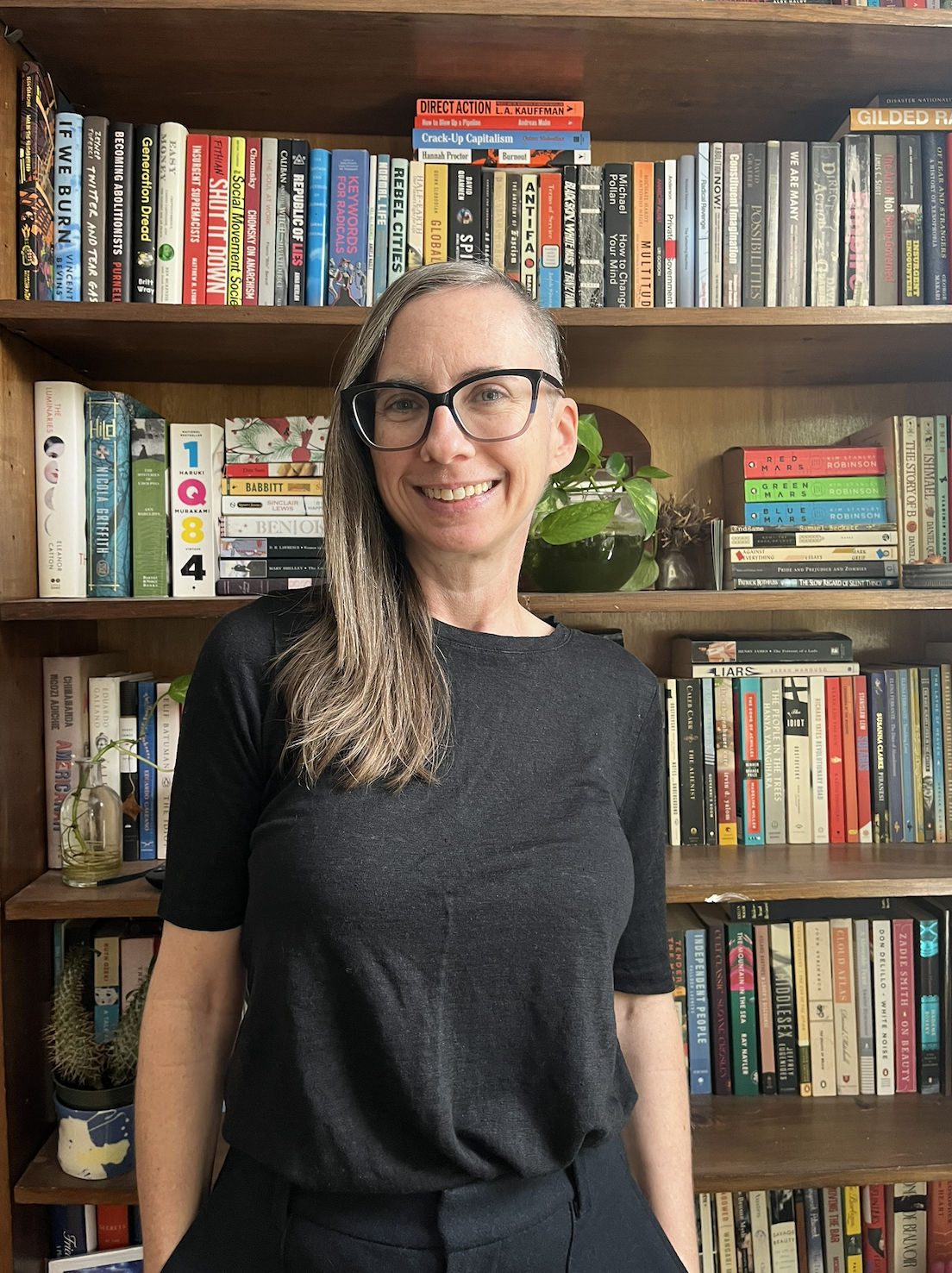
Traci Yoder
Traci Yoder (she/her) is a Brooklyn-based Movement Counselor, organizer, and therapist with over twenty years of experience supporting activists and social movements, She holds a MA in Anthropology from the University of Florida and is a licensed psychoanalyst in New York. Traci has worked as the Director of Research and Education at the National Lawyers Guild since 2010, and has volunteered with projects such as the Wooden Shoe Book Collective, Interference Archive, NYC Free Clinic, and Parole Preparation Project.
Co-Director, Movement Counselor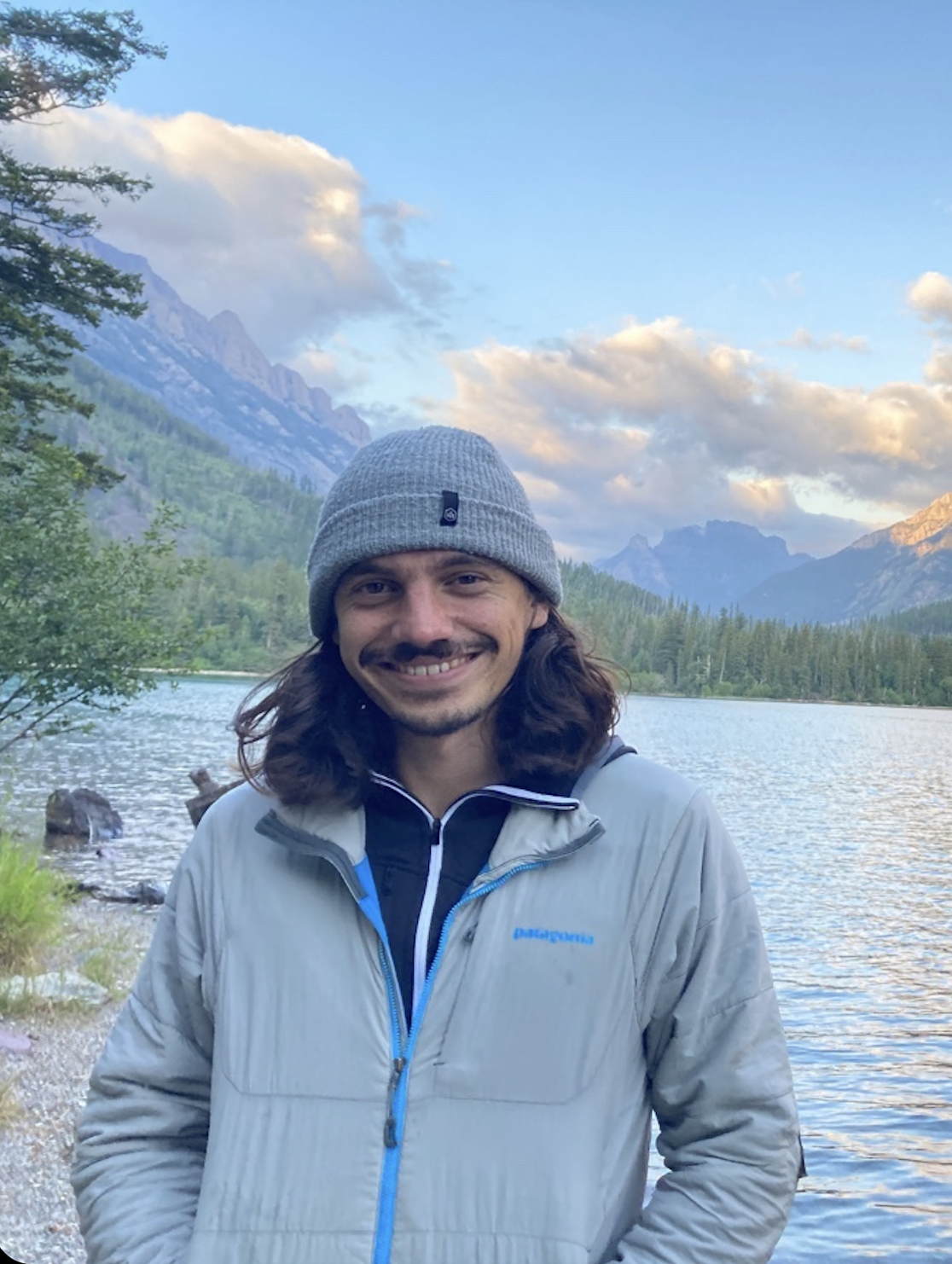
AJ Braverman
AJ Braverman (he/him) is an environmental and housing justice organizer who has helped lead advocacy campaigns that have blocked fossil fuel infrastructure, won emergency shelter space for the unhoused and passed transformative legislation. His work combating illegal and inequitable property tax assessment in Detroit led to the distribution of $4.4 million in relief and halted hundreds of property tax foreclosures.
Co-Director, Operations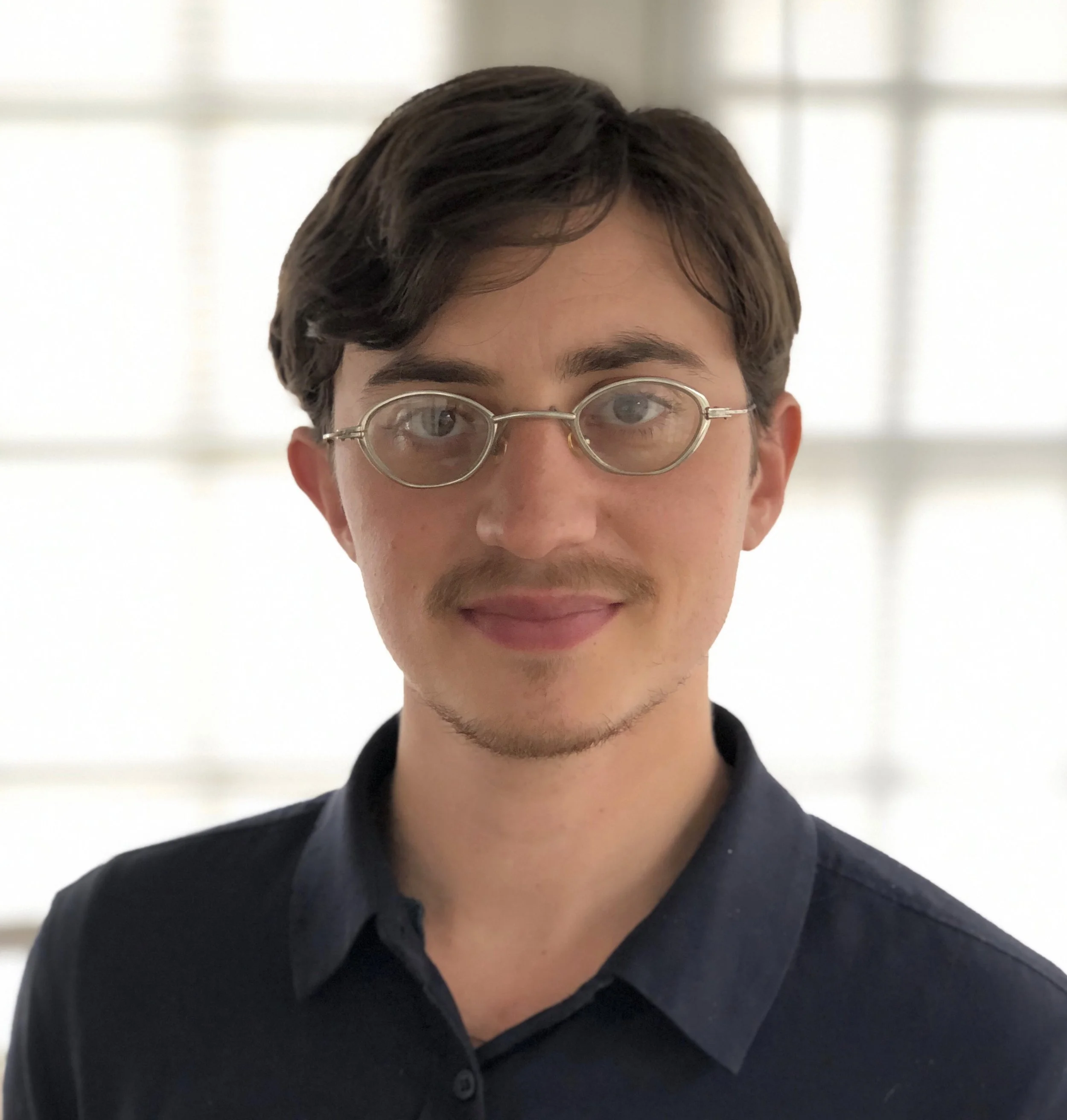
Daniel Polyak
Daniel Polyak (he/him), MA, LP, practices psychoanalysis and psychoanalytic psychotherapy with children, adolescents, adults, couples, and parents in New York City. He completed psychoanalytic training at the Institute for Psychoanalytic Training and Research (IPTAR) and he supervises at the IPTAR Clinical Center. He is a co-founder/coordinator of Free Clinic NYC. He lectures in the Women and Gender Studies program at Hunter College and is a contributing editor at Parapraxis. His most recent publication appeared in Studies in Gender and Sexuality and is called "Cis Pathology: Psychoanalysis of Cisgender."
Advisory Board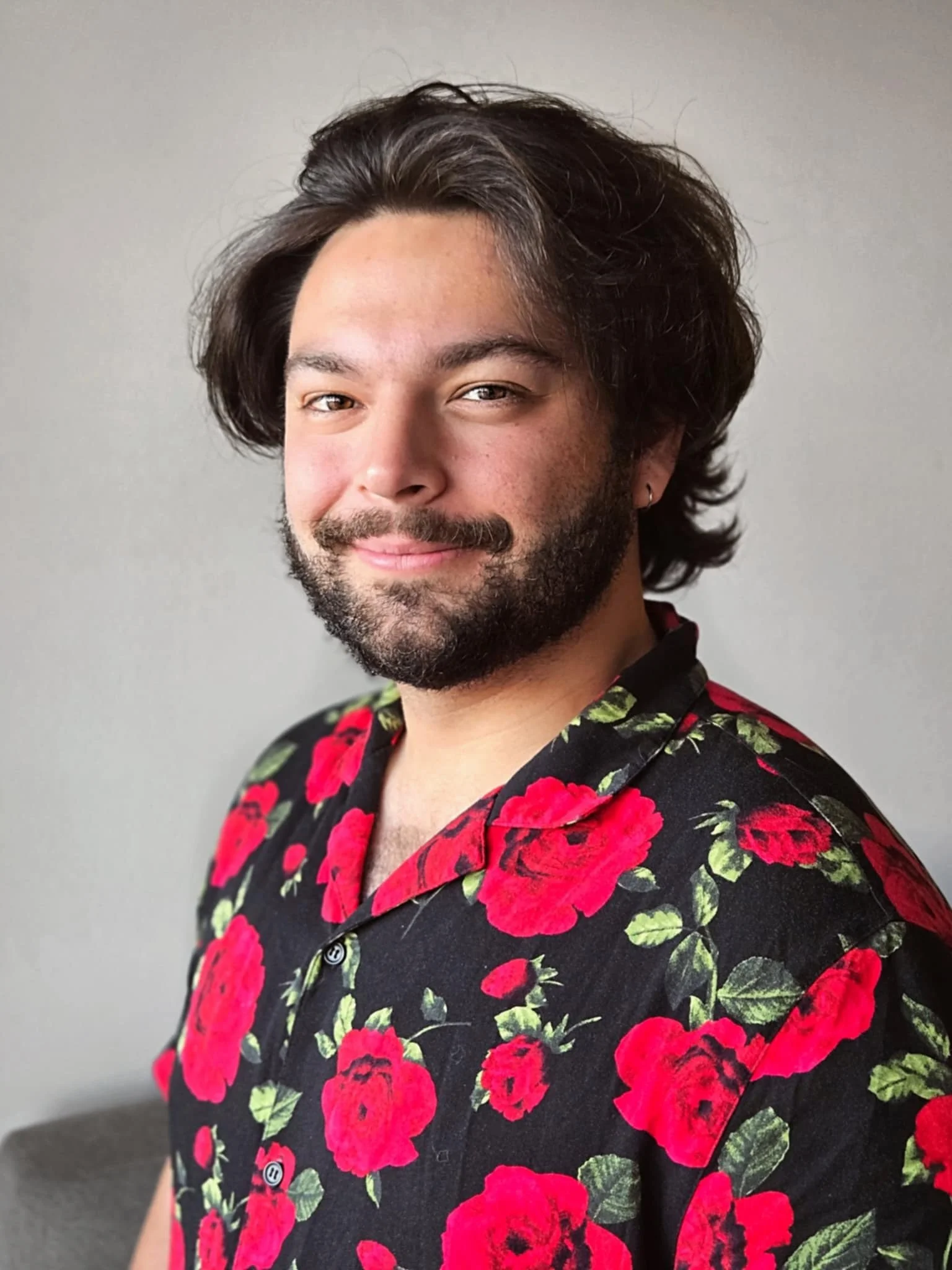
Diego Share-Vargas
Diego Share-Vargas (they/them), MA, is a primary therapist at Center for Healthy Sex. Diego is passionate about supporting individuals and couples in navigating transitions, deepening connection, and exploring identity through a sex-positive and LGBTQ+ affirming lens. They focus on relational dynamics, intergenerational healing, and meaning-making across the lifespan. They have a background as a first responder, and a foundation in sexual health education, community health, and grassroots organizing. Diego is trained in EMDR and offers bilingual therapy in English and Spanish. They received their MA at Antioch University Los Angeles.
Advisory Board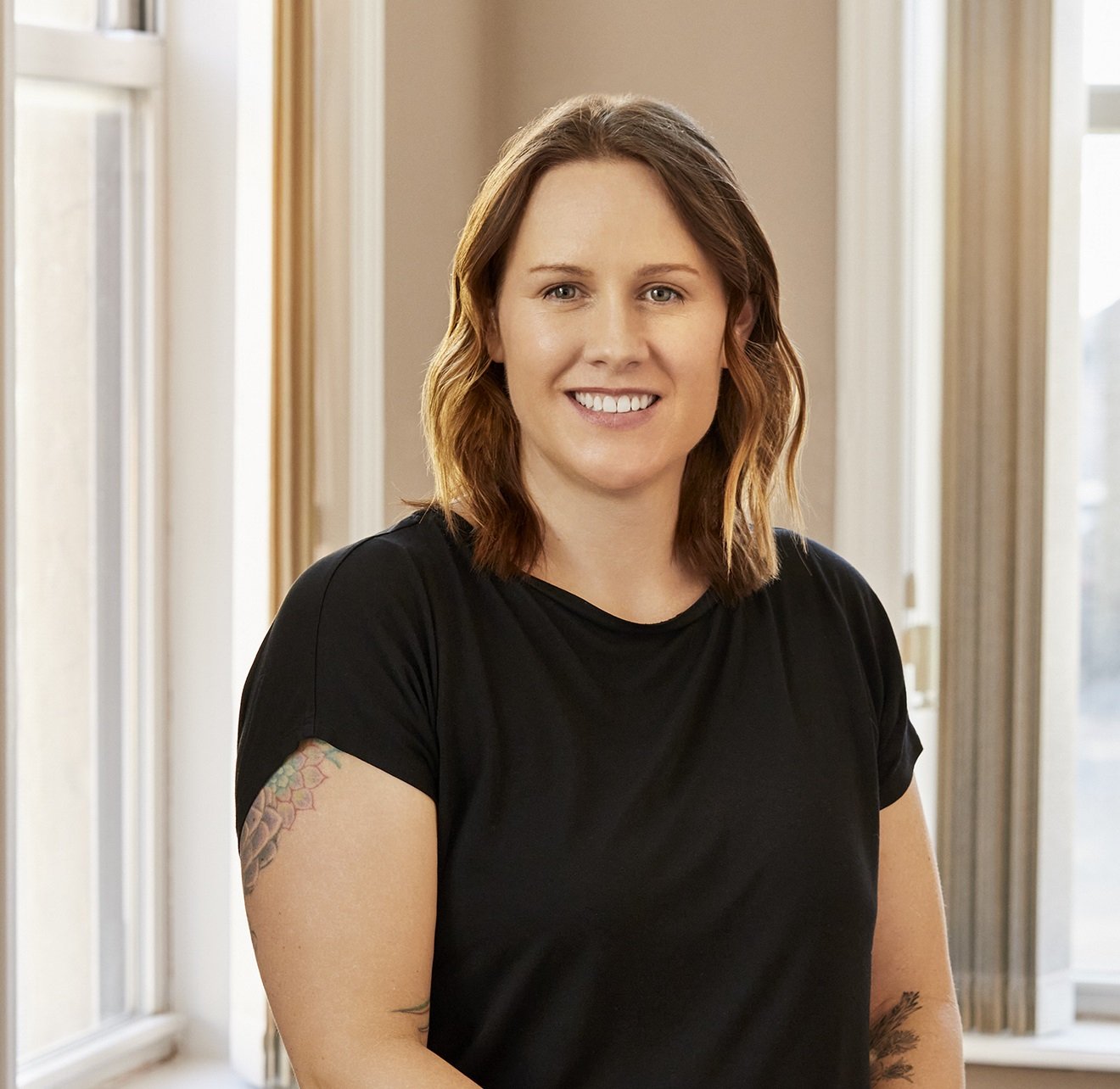
Liz Silverman
Liz Silverman (she/her), MPH, LCSW is a psychotherapist and clinical supervisor in Brooklyn. She’s worked as a public health program coordinator in Kenya, a researcher studying the healthcare experiences of people living with HIV, a social worker in psychiatric emergency and mental health clinics, and the clinical supervisor of a health program for gender-expansive young people. She believes that therapy can help us transform oppressive systems by emphasizing collective care and action. Rather than framing distress as individual pathology, Liz approaches symptoms as meaningful responses to lived conditions. She has a particular interest in the psychic dimensions of disalienation, resistance, and revolutionary change.
Advisory Board
Rebecca Weston
Rebecca Weston (she/her), LCSW and JD lives in the Brooklyn, New York and is a practicing clinician and Co-President of the Climate Psychology Alliance of North America. In this capacity, Rebecca organizes and provides support for climate aware mental health clinicians who seek to resource their skills in service of the climate movement, climate professionals and climate impacted communities. She speaks frequently about a range of topics: the mental health impacts of the climate crisis, climate distress and authoritarianism, the politics of professionalism in the Anthropocene, trauma-informed climate journalism and the ways in which climate mental health issues are interwoven with structures of inequity.
Advisory BoardFrequently Asked Questions
-
The Movement Counselor Network pairs people seeking to alleviate their anxiety through collective action with trained mental health professionals who are also experienced social justice activists. Through a series of meetings and check-ins, the Movement Counselor will help match the client to a social justice group or project and support them through the process of getting involved.
-
Movement Counselors (MCs) are mental health professionals who are also experienced social justice activists. In addition to their training as social workers, psychoanalysts, clinical psychologists, trauma specialists, or CBT and DBT practitioners, MCs understand the implications of systemic anxiety and recognize the importance of collective action. MCs are therapist-activists who have experienced first-hand the benefits of community organizing toward tangible change, and are knowledgeable about the local social movement landscape in their geographic area. They guide clients through the steps of identifying relevant projects, taking their first steps, working through any anxieties and obstacles, and supporting the client as they engage in ongoing social movement work.
-
There is no cost to work with a Movement Counselor! MCN is funded philanthropically and open to all. If you would like to make a donation to support our work, you can do so here.
-
MCN is currently only accepting clients in New York City who are referred by a mental health provider.
-
People who come to see a Movement Counselor care deeply about the state of the world and believe in the possibility of change. They are looking for connection, impactful action, and an ethical approach to the many crises facing us all.
Some signs this program might be a good fit for you:
You are feeling isolated and anxious about social conditions and feel like an inability to take meaningful action is making these anxieties worse
You are new to activism, but feel a desire to become more involved in concrete projects to effect change
You just moved to a new place and need help making connections to local social justice organizations
You used to be involved in activist projects, but need to re-engage and are not sure where to start
-
If you are a good fit for our program, a Movement Counselor will reach out to you after you submit the form to set up a brief consultation where we’ll talk about whether this project will be a good fit. From there, we will meet and discuss what kinds of projects might interest you and help you prepare for your first steps. Over the next 3-6 months, we will continue to check in and offer meeting times to talk about your experiences and make any adjustments if necessary.
-
Your Movement Counselor will work with you to find actions to take that fit your interests and need. Through our knowledge of the local social movement landscape of NYC, we have built an extensive referral list of organizations ranging from national nonprofits to smaller neighborhood groups and spaces. These groups work on a diverse array of topics such as the environment, immigration, mass incarceration, and racial and economic justice. We look for organizations working on tangible and hopeful outcomes with clear roles and onboarding for volunteers. Activities could include food distribution, letter writing to prisoners, environmental campaigns, court watching, art projects, and much more!